The Case for DC-Powered Lighting in Data Centers
05/27/2026
In this article published at DataCenterDynamics.com, Ton van de Wiel, Global Segment Manager, Intelligent Buildings for Signify, makes a case for DC-powered lighting in data centers, including lighting connected in a distributor sensor network.
The Growing Importance of Lighting Control Rebates
05/25/2026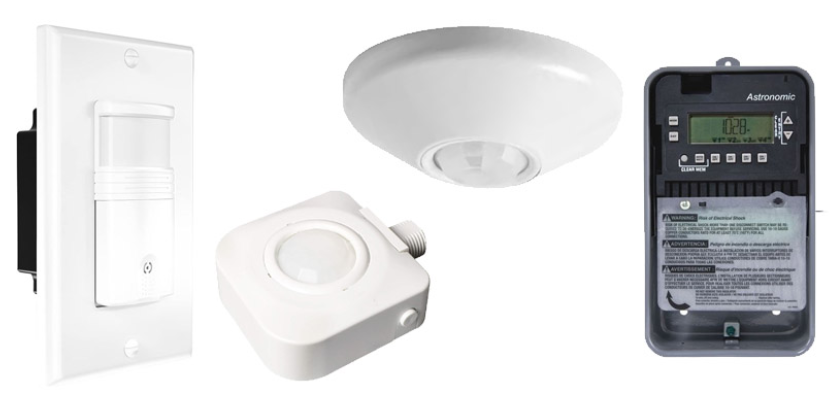
For years, commercial lighting rebates followed a simple formula: upgrade to LED, reduce energy use, and collect an incentive. That approach still works, but it’s no longer the full story, says rebate fulfillment firm BriteSwitch. As more markets reach LED saturation, utilities are shifting their focus toward deeper energy savings with lighting controls.
Decoding the 90.1-2025 Energy Standard
05/21/2026
ASHRAE and the IES recently published ANSI/ASHRAE/IES Standard 90.1-2025, Energy Efficiency Standard for Buildings Except Low-Rise Residential Buildings. What’s new in this key energy standard?
Guest Post: Cooper’s WaveLinx DALI: Unlocking Design Freedom and True Hybrid Flexibility
05/18/2026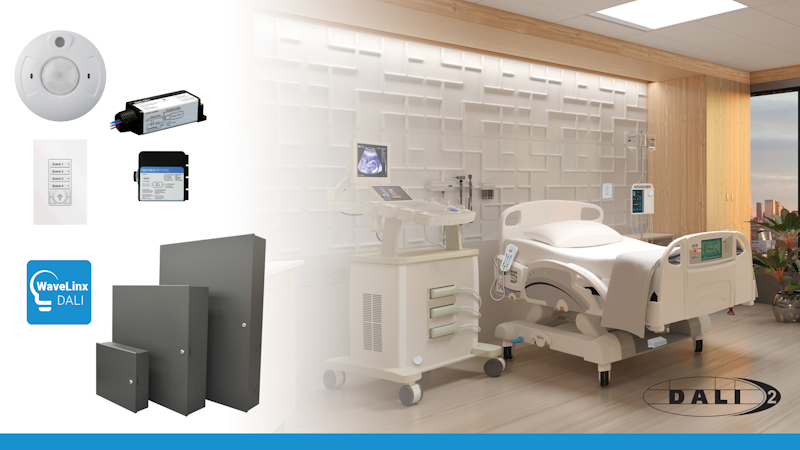
“As commercial buildings transition into smart, connected environments, clients are increasingly demanding lighting control systems that are data-rich, reliable, and easily scalable. While digital protocols are the clear future, the North American market has often hesitated to move away from familiar 0-10V analog systems due to fears of proprietary vendor lock-in or overly complex programming. By adding the globally standardized DALI-2 protocol to the WaveLinx ecosystem, Cooper Lighting Solutions has eliminated these barriers.”
2026 Commercial Lighting Rebate Outlook
04/16/2026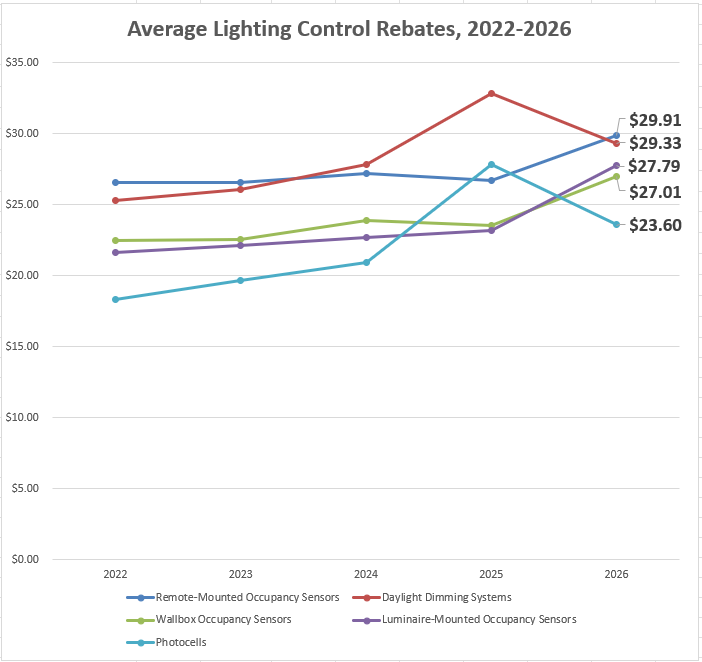
Popular lighting control categories featured in majority of prescriptive commercial lighting rebate programs in 2021-2026, with average rebate amounts per product for programs in the U.S. and Canada. (Networked control systems are not included, as programs are still relatively unstandardized.) Source: BriteSwitch RebatePro for Lighting rebate database, February 2026.
The commercial lighting rebate outlook is strong for 2026, with widely available rebates covering all popular categories of LED lighting and lighting controls, including networked lighting controls.
Lighting Controls Academy’s 2026 LEDucation New Product Guide
03/25/2026
The Lighting Controls Academy is proud to announce the latest offerings in lighting controls from industry-leading manufacturers in this year’s annual product guide. Check them out!
Plug Load Control: Good, Better, Best
02/25/2026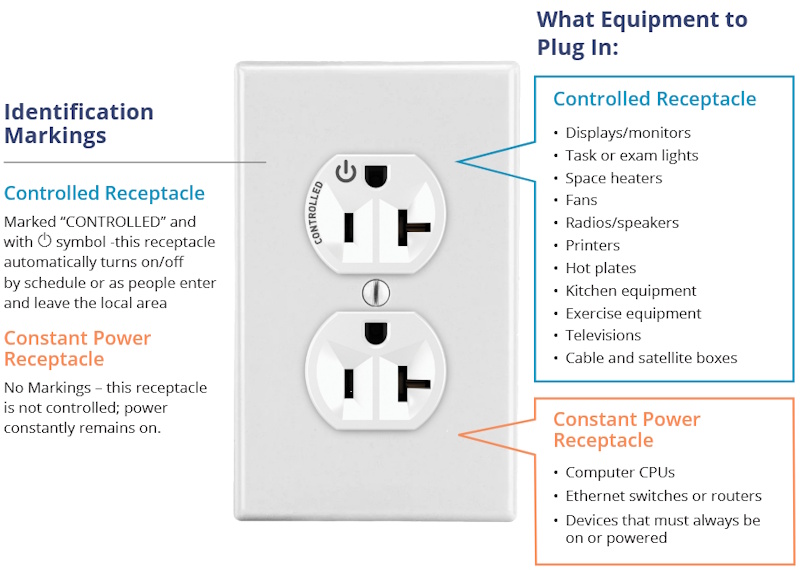
Image courtesy of NEMA.
Controlling automatic power receptacles is a natural extension of lighting control systems, as the same strategies and devices used for automatic switching of general lighting can be deployed for plug load control at the receptacle or circuit level. This article by the Lighting Controls Academy’s Craig DiLouie explains the why and how, based on NEMA guidance.
2026 Nonresidential Construction Forecast: Modest Outlook
01/23/2026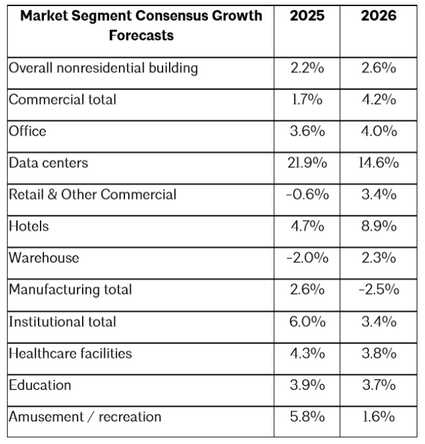
This article by the Lighting Controls Academy’s Craig DiLouie reviews 2025 construction spending and key industry economic indicators, with a detailed 2026 forecast by the AIA Consensus Forecast Panel.
Hybrid Lighting Controls: A Symphony of Wired and Wireless Technologies
01/19/2026
This guest post by Cooper Lighting Solutions’ Martin Mercier applauds a new era in “hybrid” lighting control solutions that blend the best strengths of wired and wireless control.
Lutron’s Brent Protzman Talks Lighting as Infrastructure
01/09/2026
In a recent article contributed to LightNOW, Brent Protzman, Director of Product Management at Lutron Electronics, describes lighting’s evolution from utility to infrastructure, with insight in how to design for what’s next in lighting.